


5 QUESTIONS FOR FRIEDA PROCHASKA

ABOUT THE PERSON
Frieda Prochaska. is a geographer with many years of experience at the intersection of sustainability, society, cooperation, and impact. Her goal is to bring together a wide range of interests, motivate people to help shape a sustainable future, and strengthen their sense of self-efficacy—because this is the only way to drive individual and collective change.
Her work spans diverse fields such as research, development cooperation, urban and regional development, as well as educational and community projects that also incorporate cultural formats like circus and theater. This interdisciplinary experience provided the ideal foundation for designing and implementing the comprehensive sustainability program for the gymnastics festival—where competitive sports make up only part of the experience.
Her personal connection to sports lies less in competition than in movement itself—with a clear preference for the water. Even more important to her, however, is the social and community-building power of athletic activities: since childhood, she has been “out and about” in all kinds of weather—on foot, by bike, in a canoe, or on skis. In doing so, she combines physical challenge, social connection, and intellectual curiosity into one. Her focus is always on activities that require as little infrastructure as possible and preserve the landscape.
EVENTS AND SUSTAINABILITY
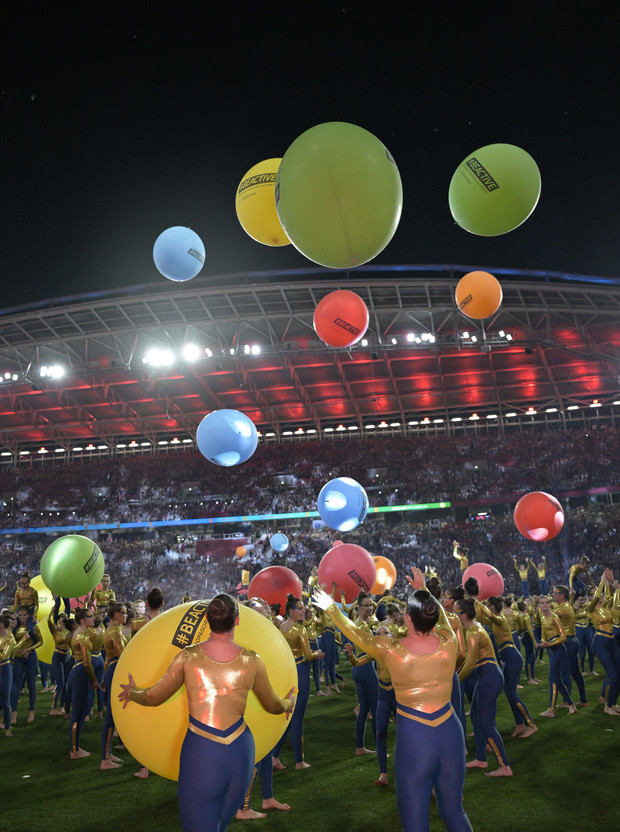
The 44th International German Gymnastics Festival brought together around 80.000 athletes and hundreds of thousands of visitors in Leipzig from May 28 to June 1, 2025. As the world’s largest competitive and recreational sports event, the Gymnastics Festival is a unique occasion—a celebration of movement and community.
Over the course of five days, competitions and contests in 23 sports were held at over 40 different venues, including top athletic performances at the European Gymnastics Championships. There was an extensive supporting program ranging from spectacular stage shows to exclusive galas. In addition, over 330 workshops were offered at the Gymnastics Festival Academy. The entire Leipzig Exhibition Center and many locations throughout the city of Leipzig were transformed into vibrant and active worlds of sports and movement, where there was something for everyone to join in, try out, and get moving—from classic disciplines to trend sports—from the youngest kids to the oldest active participants, who were over 90 years old. Another unique feature of the gymnastics festival was that around two-thirds of the participants stayed in shared accommodations (126 schools and sports halls). The gymnastics festival was also only possible thanks to the dedicated support of more than 3.200 on-site volunteers and the many hundreds of volunteers from sports clubs.
QUESTIONS & ANSWERS
What initial steps would you recommend to event organisers who are just getting started with sustainability?
The most important first step is to view sustainability not as a separate, ancillary issue, but as an integral part of event planning from the very beginning. I recommend conducting an early assessment: Where do the greatest environmental and social impacts occur—in transportation, catering, waste, or energy? This allows you to identify priorities that can realistically be implemented. Not every measure is suitable for every event size. It is also helpful to set sustainability goals in writing and communicate them internally so that everyone involved—from technical staff to communications—is working toward the same goals.
What obstacles did you encounter in implementing sustainability, and how did you overcome them?
Looking back, it was less the major individual initiatives that made the difference than the combination of structure, attitude, and concrete formats.
A crucial prerequisite - in addition to the commitment of the festival’s management - was the integration of personnel into the organizational structure. Sustainability requires someone to actively drive it forward.
Of the 118 measures in total, the following three particularly impressed me. With the “Sport Fairändert” campaign, we brought the issue of responsible textile sourcing to the forefront as a matter of social responsibility for a sporting event - and thus demonstrated that sport not only measures performance but can also convey values. “Inklusiv gewinnt” established inclusive competition formats for the first time, viewing participation not as an exception but as a natural part of the competitive experience.
Sustainability was also embedded in many other aspects of the regular event program: for example, in the academy, in the children’s program, on the stages, and in a specially designed event and interactive area dedicated to sustainability.
The 2025 Gymnastics Festival also made significant strides in reducing resource consumption. Over 90% of participants used public transportation or walked to and from the event. For the first time, the food offerings were consistently shifted toward plant-based options - a new feature was the vegetarian breakfast served in the shared accommodations. The merchandise range was critically reviewed, printed materials were drastically reduced, procurement decisions were made based on sustainability criteria for the first time, and materials were reused wherever possible.
Cooperation with expert partners was very helpful - for example, regarding educational content, inclusion, bicycle mobility, waste management, material reuse, data collection, etc. External partners bring expertise, proven structures, and resources without us having to reinvent the wheel ourselves.
Last but not least, targeted data collection has helped us move forward: If we want to become more sustainable, we need to know where we stand. Only through systematic collection and analysis - for example, regarding mobility, resource consumption, and participation—were we able to assess what actually works, what didn’t work, and where future gymnastics festivals need to make adjustments.
Which measures proved particularly effective in making the International German Gymnastics Festival in Leipzig more sustainable – and why?
The biggest hurdle was the sheer complexity: A sports festival of this magnitude involves dozens of different areas - sports venues, lodging, food services, the supporting and educational programs, volunteers, and more. Consistently integrating sustainability across all these areas requires a level of coordination that was initially underestimated. We have learned that prioritization, clear lines of responsibility, and embedding sustainability in mission statements and contracts are essential.
In some places, this was compounded by resistance and a lack of acceptance, combined with time pressure and scarce resources: for example, traditions and habits can obscure the need for necessary changes; sponsorship is still geared toward traditional advertising; and in cases of resource conflicts, the perceived comfort of guests is prioritized over social and environmental considerations.
Sustainability in major sporting events can only succeed if all stakeholders - associations, sponsors, funding agencies, municipalities, service providers, and participants - pull together and view sustainability as an ongoing commitment.
This may sound like a cliché—but practice shows: Those who plan early, make decision-making processes more transparent, incorporate new expertise through partnerships, and make successes visible lay the foundation for long-term change.
What vision or idea do you want to implement in the future to make events even more sustainable?
Our gymnastics festival team has been disbanded, and I am no longer involved in the sport of gymnastics. It is now up to the German Gymnastics Federation (DTB) to ensure that the experience, successes, and lessons learned are not lost, but are systematically incorporated into the planning of future gymnastics festivals and events - as core values, attitudes, and best practices.
To ensure that sustainability is not just a one-time effort, resources and funding must be secured on a binding basis - for example, through grant applications or budget allocations. At the same time, clear and honest communication is needed: in addition to successes, challenges and compromises must also be transparently identified so that they can serve as learning opportunities for everyone.
Finally, effective monitoring and reporting are essential—not as an end in themselves, but as a foundation for continuous improvement. Only in this way can the DTB organize sustainable events in a credible and long-term manner.
How does the web portal support you in your work on more sustainable sporting events overall, and what particular added value does it offer you in this regard?
Above all, the portal provides guidance in a subject area that can quickly feel overwhelming. The structured presentation organized by action areas helps users, for example, to identify their own priorities and define goals.
The catalog of measures is particularly valuable and engaging: It provides practical, topic-specific guidance on where event organizers can start, offers a wide variety of tools - ranging from simple first steps to more complex measures - and also highlights what other events have already tried. This inspires and motivates.